
.png)
Every platform today is optimized for attention. We are constantly pushed toward more posts, more followers, and more noise. Storiyat started as a personal rebellion against that cycle, and it took a major product pivot to figure out what that rebellion actually looked like.
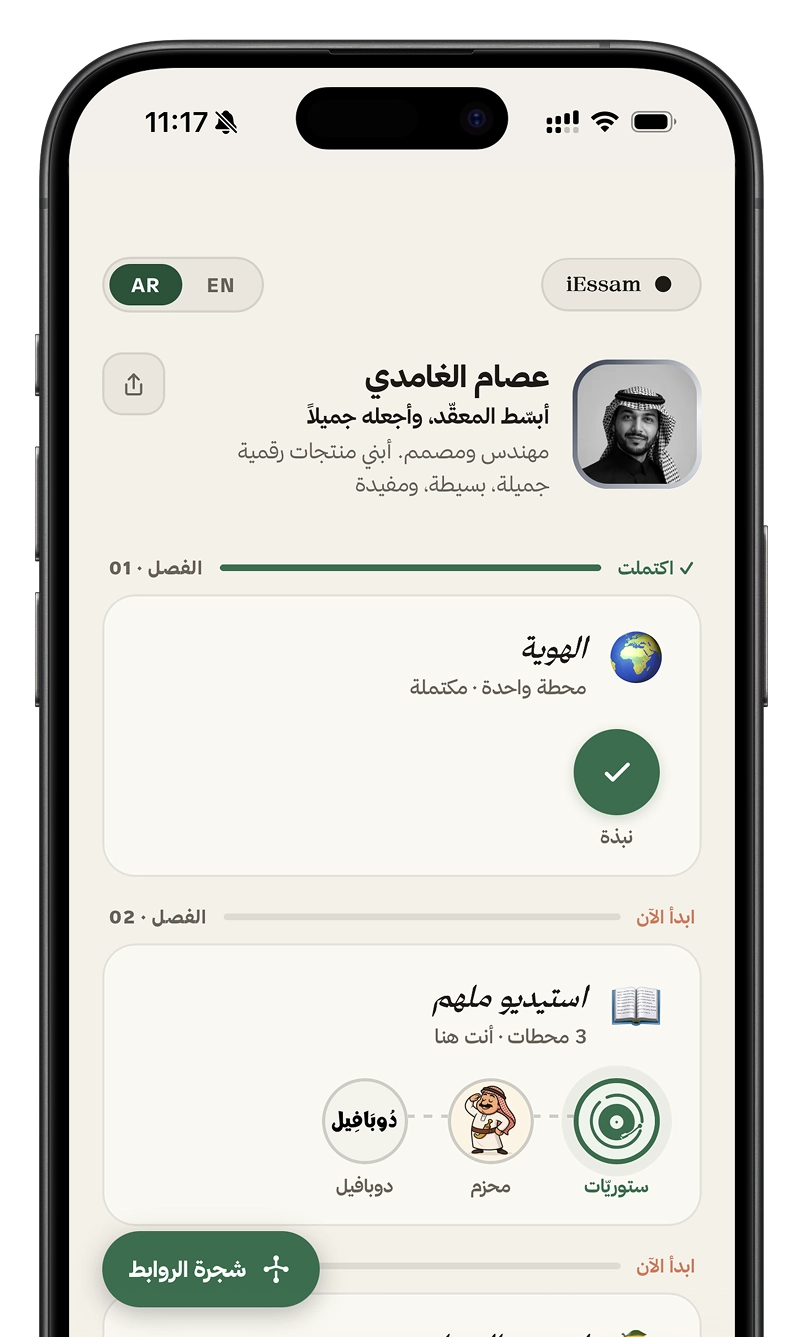
The idea began when I built an interactive, story-based personal page about myself just for fun. When I shared it with friends, the reaction surprised me. People didn't just look at the links; they genuinely enjoyed the experience of scrolling through a narrative rather than a static bio. That was the real signal. It wasn't just a side project anymore; there was potential for a real platform here.
The Shift in Identity
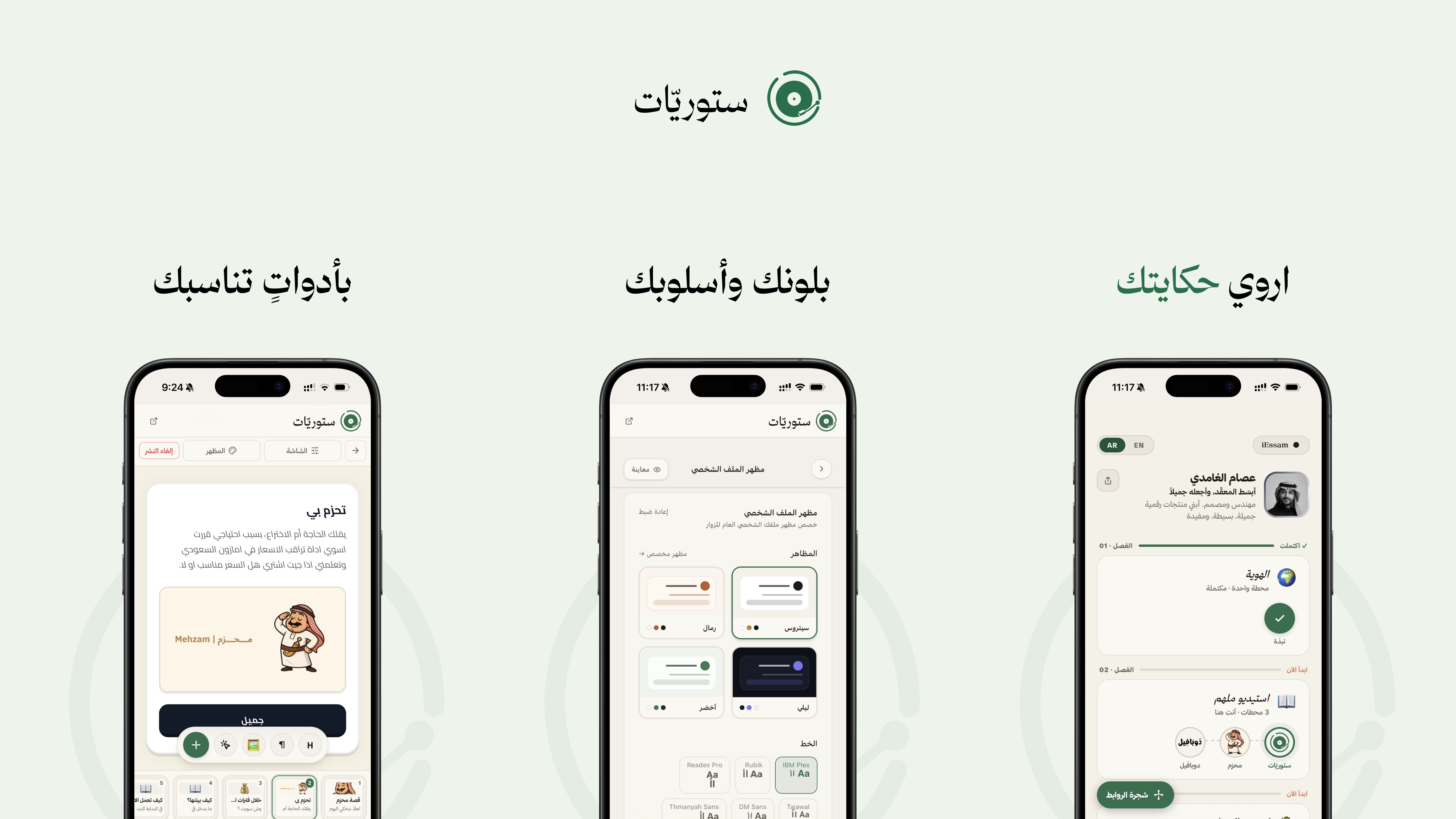
The first version of Storiyat was incredibly ambitious. I built a full SaaS platform, an iOS app, and even a ChatGPT integration, all designed to help anyone turn their personal journey into an interactive story. I spent months polishing the design, shipped it across three surfaces, and launched it publicly, expecting the reception to match the effort.
It didn't. A handful of people signed up, and even fewer actually used it. That gap between the care put into building the product and the actual market response became the most important data point of the project.
Realizing the Bottleneck
My initial instinct was to keep adding features. I thought about building claimable profiles to lower the activation barrier, adding more polish, and creating smoother onboarding flourishes. It is the classic builder trap: if no one is using it, build more.
In reality, the problem wasn't the product; it was the distance between me and the users. I had generated claimable accounts for a few people but never actually reached out to hand them over. I was hiding behind code. The real bottleneck was my own reluctance to do unscalable personal outreach and sit with early silence, choosing instead to retreat back into development.
That realization changed everything for Storiyat. Instead of chasing broad, algorithmic growth, I rebuilt the platform around an invite-only model. It is now a deliberately unhurried space for writing and expression, free from like counts and algorithmic noise. Today, Storiyat runs as a small beta with 23 users and 26 published spaces. It has a 21.7% activation rate, numbers that are modest by design, not by accident.
Perfectionism as Avoidance
The hardest lesson from this wasn't technical. It was realizing how easily the phrase "I'm still improving it" can become a sophisticated excuse to avoid facing rejection. Every feature I added before doing actual outreach was just a way to postpone a difficult conversation. The fix wasn't a better product feature; it was simply picking up the phone.
Building Slower
Storiyat is smaller now than the version I originally launched, and that is exactly how it should be. It is no longer trying to be everything for everyone. It is a quiet space for people who want to write and be read without performing for an algorithm.
Every product decision since the pivot has prioritized depth over noise and care over speed. The numbers are still small, but for the first time, the platform's growth and its philosophy are perfectly aligned.